
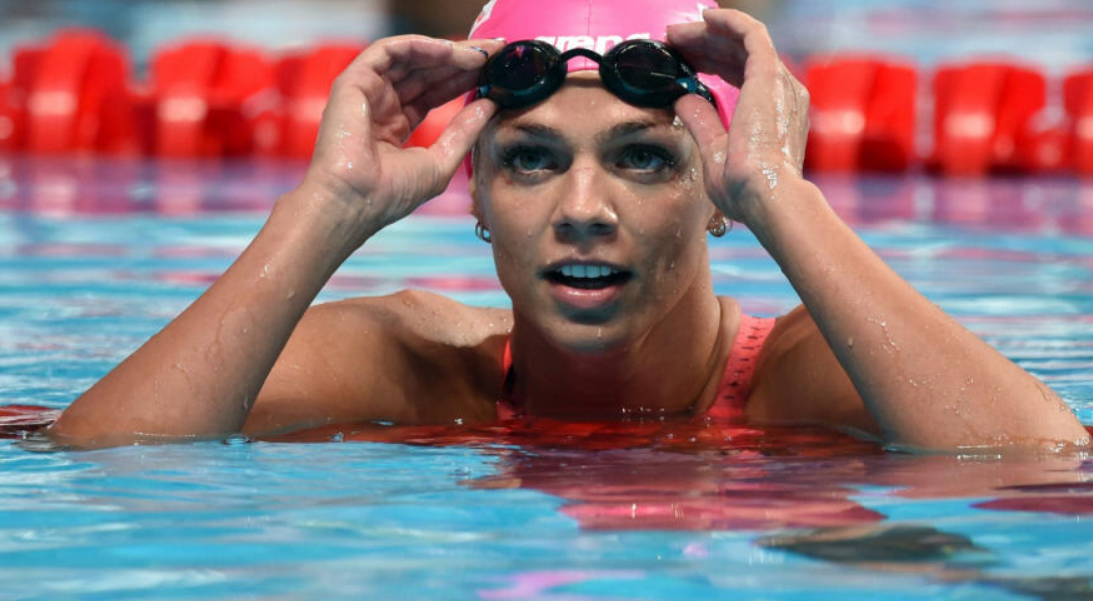
 Swim gear for training and competition is essential for athletes aiming to improve performance and maintain comfort in the water. Whether preparing for a major event or developing technique during regular practice, having the right equipment can make a measurable difference in progress. Each piece of swim gear plays a specific role in enhancing focus, efficiency, and endurance in both practice and competitive environments.
For those seeking a reliable selection of swim gear for training and competition, understanding the function and fit of each item is crucial. Equipment that supports an athlete’s goals—whether improving technique, boosting speed, or ensuring proper recovery—can prevent injury, promote consistency, and support long-term development. Choosing thoughtfully designed gear ensures that swimmers can train smarter and compete at their best without unnecessary distractions.
Today’s market offers a broad array of swim gear tailored to all levels of swimming, from beginners to professionals. This diversity, while beneficial, can also be overwhelming without proper guidance. That’s why it’s important to explore the specific functions of each category of swim equipment, how to select the right products, and how they contribute to different stages of a swimmer’s routine. In this guide, we will examine essential types of gear and provide practical insights for choosing the most suitable items for any swimmer’s needs.
Swim Goggles: Clarity and Comfort in Every Stroke
Swim goggles are one of the most important accessories for any swimmer. Their primary purpose is to protect the eyes from chlorine and other chemicals in the water, while also allowing clear vision. A good pair of goggles fits snugly without causing discomfort or leaving pressure marks, which is especially important during long training sessions or races. Goggles should stay in place during starts, turns, and prolonged use without needing adjustment.
Different environments may call for specific types of lenses. For example, mirrored or tinted lenses are ideal for bright outdoor conditions, whereas clear lenses are more suitable for indoor pools. Swimmers should also consider anti-fog and UV-protection features when selecting goggles. Fit and comfort vary greatly between brands and models, so trying on different pairs is recommended to find the best personal match.
Swimsuits for Training vs. Competitive Racing
Swimsuits designed for daily training focus on durability and comfort, while those for competition are built to reduce drag and enhance performance. Training suits are typically made from chlorine-resistant fabrics that can withstand repeated exposure to pool chemicals. These suits prioritize longevity and are often slightly more relaxed in fit, allowing for comfortable movement during drills and endurance sets.
Competition swimsuits, on the other hand, are engineered with advanced materials that compress the body, increase buoyancy, and minimize resistance in the water. They are significantly tighter and may take time to put on properly. The design helps support key muscle groups and optimize body position, which is critical during high-stakes races. Despite their performance benefits, competitive suits are less suitable for frequent use due to their delicate construction and limited durability.
Training Equipment to Improve Technique and Strength
To develop swimming skills beyond what can be achieved through laps alone, athletes often use training equipment that targets specific areas of technique or strength. Items like kickboards, pull buoys, paddles, fins, and snorkels serve distinct functions and help diversify training routines. Using them correctly enables swimmers to isolate movements, correct posture, and build endurance more efficiently.
Kickboards, for example, focus attention on leg movement and kicking technique. Pull buoys assist in upper body development by immobilizing the legs. Swim paddles increase resistance and help strengthen the arms and shoulders while highlighting flaws in hand positioning. Snorkels allow swimmers to maintain a steady head position and refine body alignment without the interruption of turning to breathe. Integrating these tools into workouts can significantly elevate training effectiveness.
Mesh Bags and Backpacks for Swim Gear Storage
Carrying swim gear to and from the pool requires durable and well-organized storage solutions. Mesh bags are a staple for transporting wet items, such as swimsuits, towels, and training gear. Their breathable design allows items to dry more quickly and reduces the risk of mildew or unpleasant odors. These bags are often lightweight, easy to rinse, and compact when not in use.
For swimmers needing more structure, backpacks with multiple compartments can offer space for both dry and wet gear, electronics, personal items, and hydration. A well-designed swim backpack includes padded straps, waterproof pockets, and compartments that separate gear based on function or cleanliness. Organized storage ensures that all necessary equipment is readily available and that transitions between training, travel, and competition go smoothly.
Accessories That Support Recovery and Preparation
Beyond training and racing, recovery and preparation tools play a key role in a swimmer’s regimen. Accessories like swim caps, resistance bands, foam rollers, and massage balls help prepare the body for sessions and reduce soreness afterward. Silicone or latex swim caps protect hair and streamline head position, while resistance bands are used for warm-up routines and dryland exercises to activate muscles before entering the pool.
Foam rollers and massage tools help with muscle recovery by improving circulation and relieving tension. When used regularly, they can prevent injuries and accelerate the body’s ability to bounce back after demanding workouts. These recovery tools may seem secondary, but they are an integral part of a comprehensive swimming program that prioritizes both performance and longevity.
Children’s Swim Gear and Safety Considerations
Swim gear for children must prioritize safety, comfort, and ease of use. Youth goggles should have soft seals and adjustable straps to fit growing heads. Comfortable swimwear that doesn’t restrict movement encourages children to feel confident and free in the water. Many children’s items include colorful designs to make the swimming experience more enjoyable and approachable.
Floatation aids, like arm bands or swim vests, can provide an added layer of security for beginners. However, it’s important to choose these aids based on a child’s swimming ability and under the supervision of a trained adult. Parents and instructors should always emphasize safety while allowing room for skill development and exploration in the water.
Maintenance Tips for Long-Lasting Gear
Proper care of swim gear ensures that items remain functional and hygienic over time. After each use, it’s advisable to rinse all gear in cool, fresh water to remove chlorine, salt, and residue. Allowing items to air dry completely before storing them can prevent mold, odors, and fabric degradation. Swimwear should be laid flat to dry and not placed in direct sunlight, which can fade colors and weaken materials.
For goggles, avoid wiping the inside of the lenses, as this may remove anti-fog coatings. Instead, allow them to air dry naturally. Swim caps should be dried completely before being folded or packed away. Gear bags and backpacks should be emptied regularly to avoid moisture build-up. Taking a few extra minutes to maintain equipment can extend its life and save swimmers from frequent replacements.
Conclusion: Enhancing Performance Through Smart Gear Choices
Choosing the right swim gear is more than a matter of preference—it’s a foundation for progress and consistency in the pool. From goggles to swimsuits, training equipment to recovery tools, each item plays a role in supporting a swimmer’s physical ability and mental focus. Whether for training or competition, the correct gear helps athletes stay comfortable, efficient, and motivated.
Understanding the function of each type of gear allows swimmers to make informed decisions that support their goals and routines. By investing in high-quality products and caring for them properly, swimmers can train with greater purpose and achieve their personal bests. As with any sport, preparation and the right tools are key to lasting success in swimming.